
Design patterns are a way for designers to describe the design experience and share that knowledge with other designers as well as providing a vocabulary for different aspects of the design process and the experiences that designers wish to create with their design, and with this, document the design process in a meaningful way.
Generally, a pattern is meant to be a solution to a problem, but with situations provided in which the solution has worked before. That being said, patterns should be generally flexible, and should be able to be used or at least implemented in a variety of ways.
Patterns in interaction design are not incredibly common, but have been growing more popular, and there are a few pattern collections for designers who are interested, and can be helpful as the patterns are tested solutions to the problems many designers face. A lot of pattern collections are associated with software components that designers can use without having to implement a great deal of modifications.
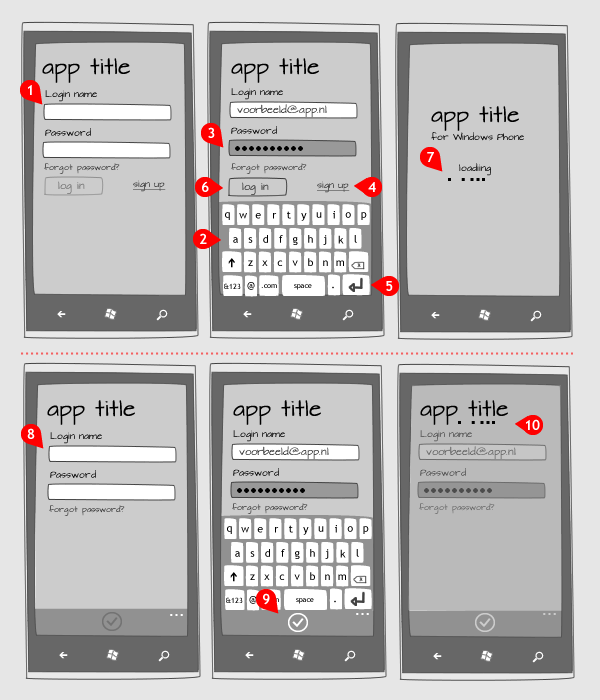
The way patterns work reminds me a bit of the way music theory and notation works for musicians. Of course any musician can think of a melody in their head, and many of them can translate that into notes they play, but without notation and music theory, it can be very difficult for them to communicate those ideas about the music they have in their head or that they wish to play, and the same can be said of designers. A designer may have all the ideas for a design in their head, but without the vocabulary to communicate that idea and work with other designers it can make the design process very difficult and can mean that it’s harder for interaction design to be an iterative process where all designers get better as advancements are made, and trends emerge if there is no way for those advancements and trends to be communicated.
References
Preece, Rogers, & Sharp, (2015). Interaction Design: Beyond Human Computer Interaction. West Sussex, United Kingdom: John Wiley & Sons, Ltd.
 Interaction Reflections