
Prototyping allows you to test your design on the users who might interact with it on a daily basis, and who will provide the best feedback as to what changes would actually improve the design of the product. Involving Users is one of the best ways to improve your product and gather valuable data about the design of your product.
That being said, a proper balance of user involvement is required in order to ensure the best results possible and to guarantee the integrity of your ideas for the product. In the famous words of Henry Ford, “If I had asked people what they wanted, they would have said a faster horse.” Often times it can be hard to innovate if users are working too closely with the development of a project, as users often think in terms of how things are currently done, and may have trouble imagining new ways for things to be done. That is why a balance is important, to ensure that even with innovation and vision for all the changes that might be coming along with the new product, the product remains familiar and usable enough for users to adapt and for it to work for them in their daily tasks rather than against them.
In all cases, designs should not be made in a perspective bubble, regardless of whether that perspective is the designer’s or the user’s. Input from multiple sources, and the proper execution of ideas is what makes designs successful.
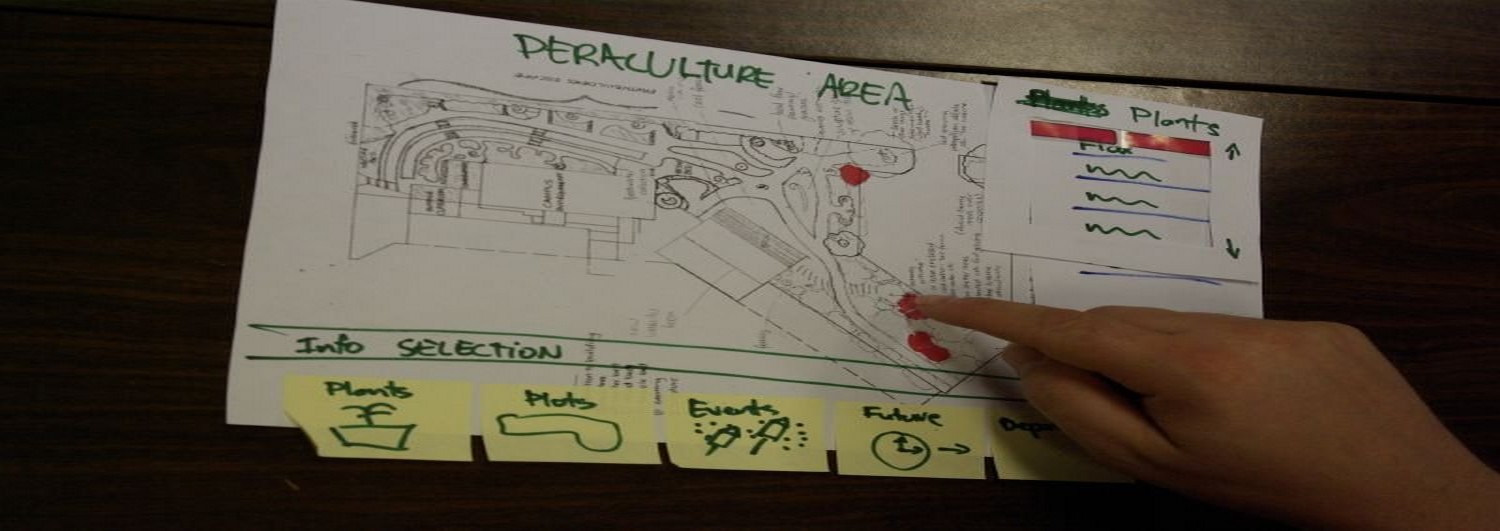
Prototyping is one of my favorite parts of the interaction design process. I enjoy hands on activities, and making a mock up of what the design might look like is the point at which the work you have done up to this point begins coming together in a tangible way that you can share with others and get feedback on. Whether the testing confirms my ideas of what I thought would work well as I was designing the product, or whether it contradicts the ideas I had, I find the testing valuable as it makes me grow as a designer and allows me to learn how I think differently from potential users, and illustrates the value of bringing in perspectives that don’t necessarily line up with mine while working on a project.
References
Preece, Rogers, & Sharp, (2015). Interaction Design: Beyond Human Computer Interaction. West Sussex, United Kingdom: John Wiley & Sons, Ltd.
 Interaction Reflections